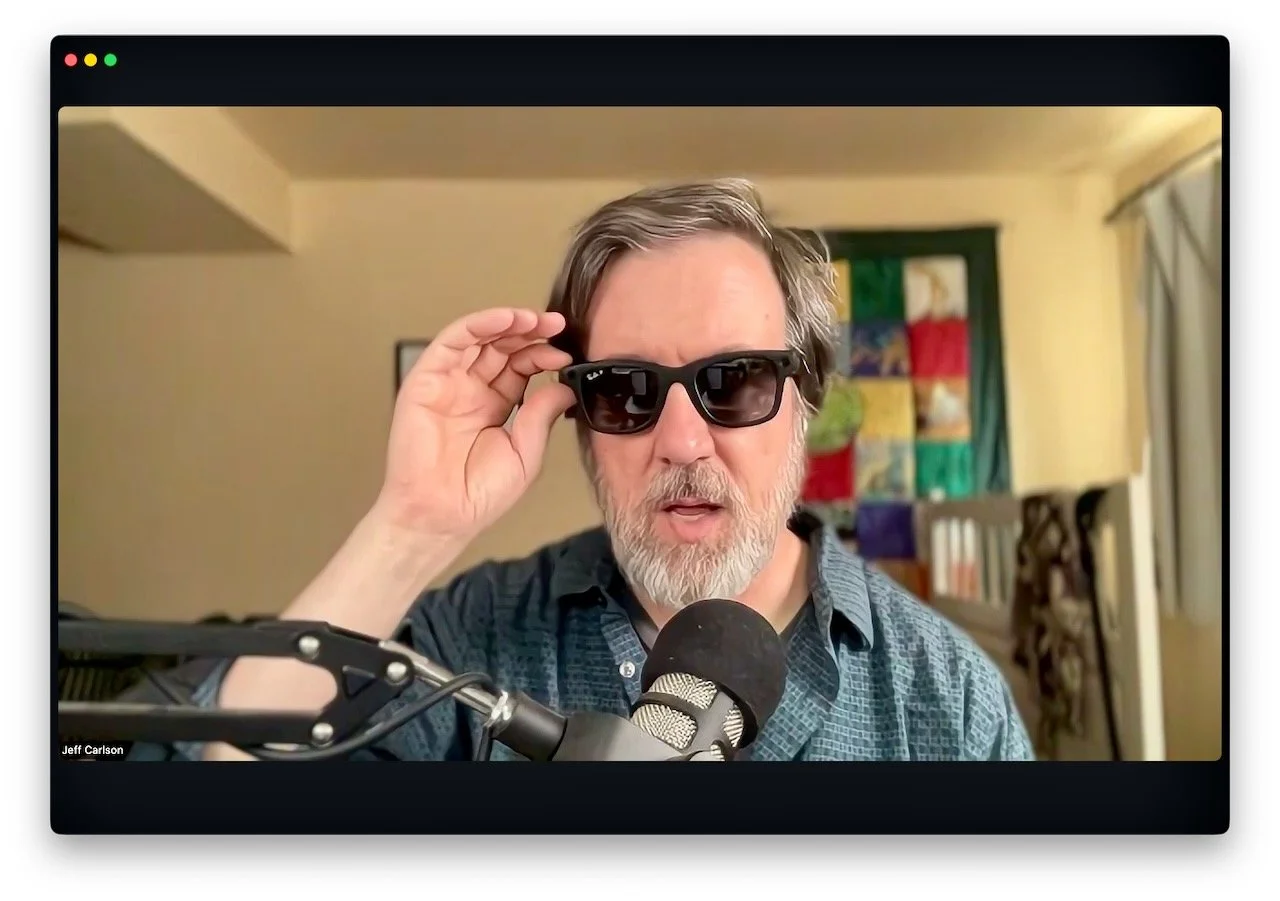
From Meta’s “pervert glasses” to rumored camera-equipped AirPods, cameras are making their way into more of our personal technology.
If you enjoy the podcast, be sure to subscribe and rate it in iTunes and elsewhere. Thank you!
From Meta’s “pervert glasses” to rumored camera-equipped AirPods, cameras are making their way into more of our personal technology.
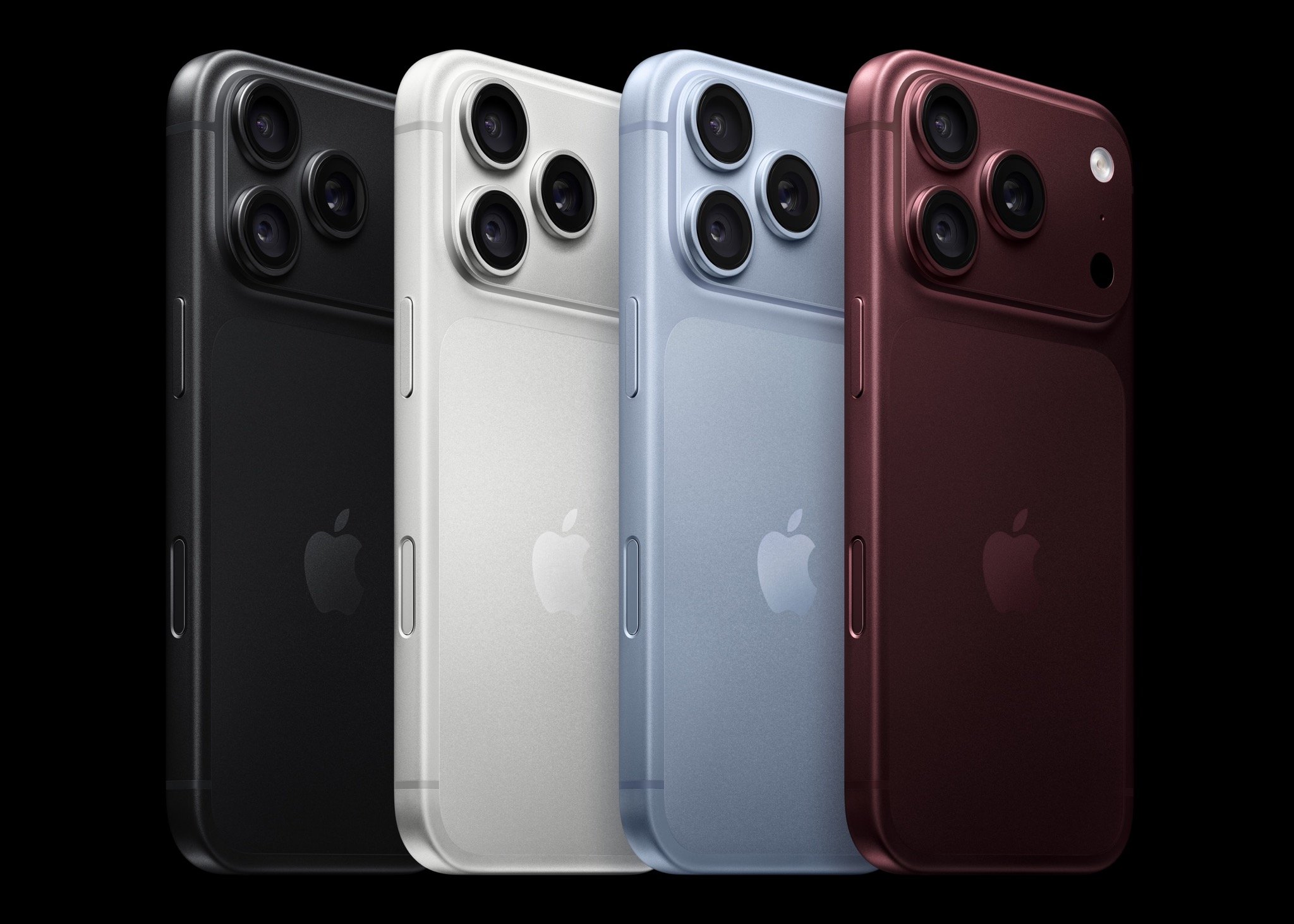
With new iPhones on the horizon, we discuss the new Apple Upgrade program—and why it feels less like the Apple we knew. We then pivot to amazement about the photographers who shoot the Tour de France every year. And then Jeff shares details about the Godox iT32 flash, a flash and wireless controller that’s affordable and clever for how it works.
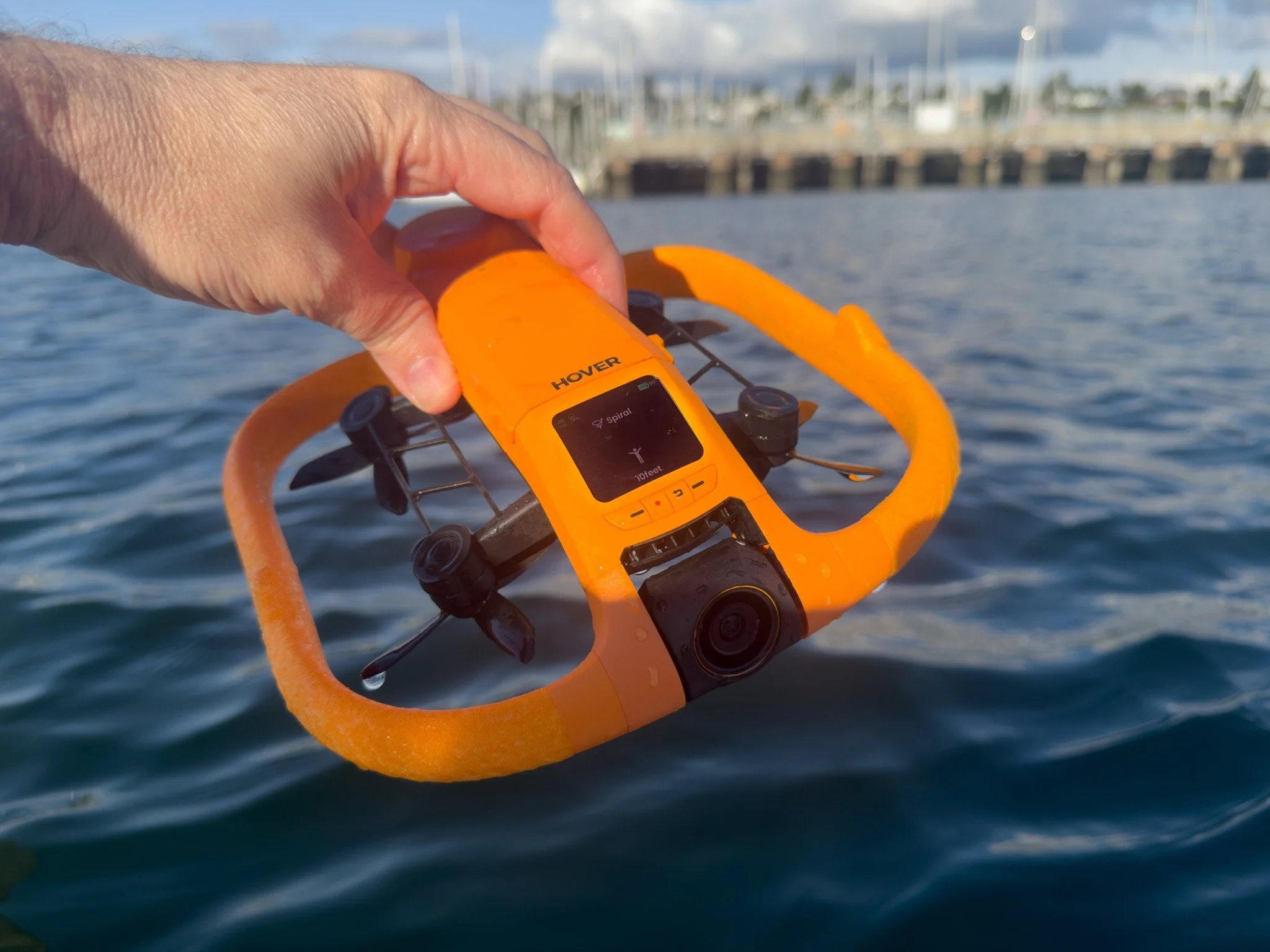
The recent heat waves in the US and UK have us thinking about ways to keep our cameras and phones cool. We also look at a report on Apple’s new raw processing technology coming in iOS 27, and Jeff talks about the HoverAir Aqua, a camera drone designed to be used on the water.
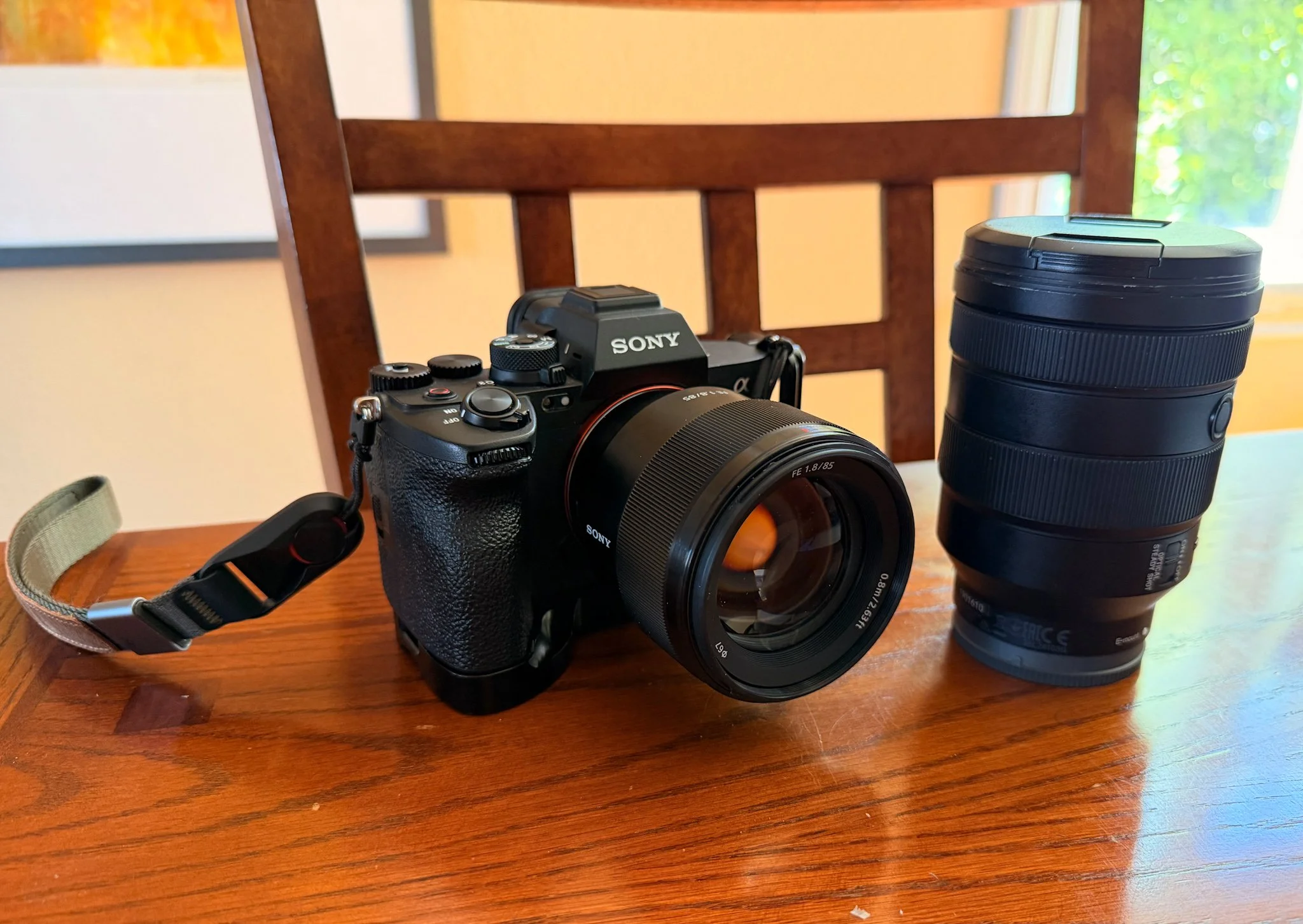
We’ve mocked YouTubers who make a fuss about selling all their camera gear to switch brands and systems, only to do it all again later for clicks. Well, the universe has a sense of humor, because that’s just what Jeff has done—the first part, anyway. He sold his Fuji X-T3 and lenses in became a Sony photographer. And it was the last thing he expected. We also talk about Apple raising the prices of most of its products.
Apple introduced its next OS 27 systems at its Worldwide Developers Conference, which included changes to the Camera and Photos apps that revolve around AI features. Actually, that’s almost literal: the new Spatial Reframing feature lets you rotate a scene and generative AI fills in the missing details. Is it a slide into AI slop or a legitimate tool to help photographers? We’re joined by writer and photographer Craig Grennell to talk it out.
We often talk about framing a photo to get the best composition, but sometimes we don’t nail it. Or we realize in editing that a tighter crop would be better. Or something crept into the edge of the frame at the last second. In this episode, we talk about cropping photos, whether AI cropping is worth trying, and why there’s only One True Aspect Ratio.
Before you go out to do some photography, how do you determine where to go? Jeff had a portrait session booked and discovered that the location was fenced and blocked -- but scouting in advance gave him time to find a new spot. We talk about tools and techniques for finding the best photo spots and conditions.
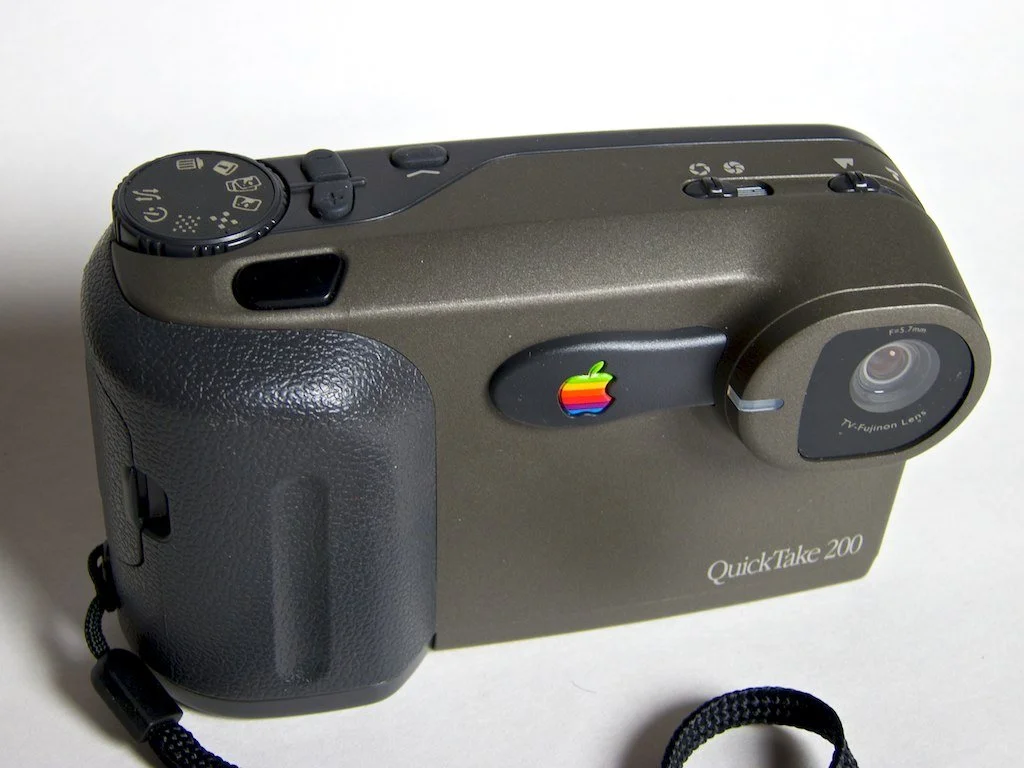
Our conversation in this episode started with news of John Ternus becoming the next CEO of Apple as of September 1, but that led to an intriguing concept that isn’t as far-fetched as it might seem: What if Apple makes its own camera? Imagine a fixed-lens compact mirrorless with a larger sensor, better glass, and all of the technologies Apple has developed for the iPhone. Could it happen? We get into the details.
(Photo: Apple QuickTake 200, by Don DeBold. Used by Creative Commons license.)
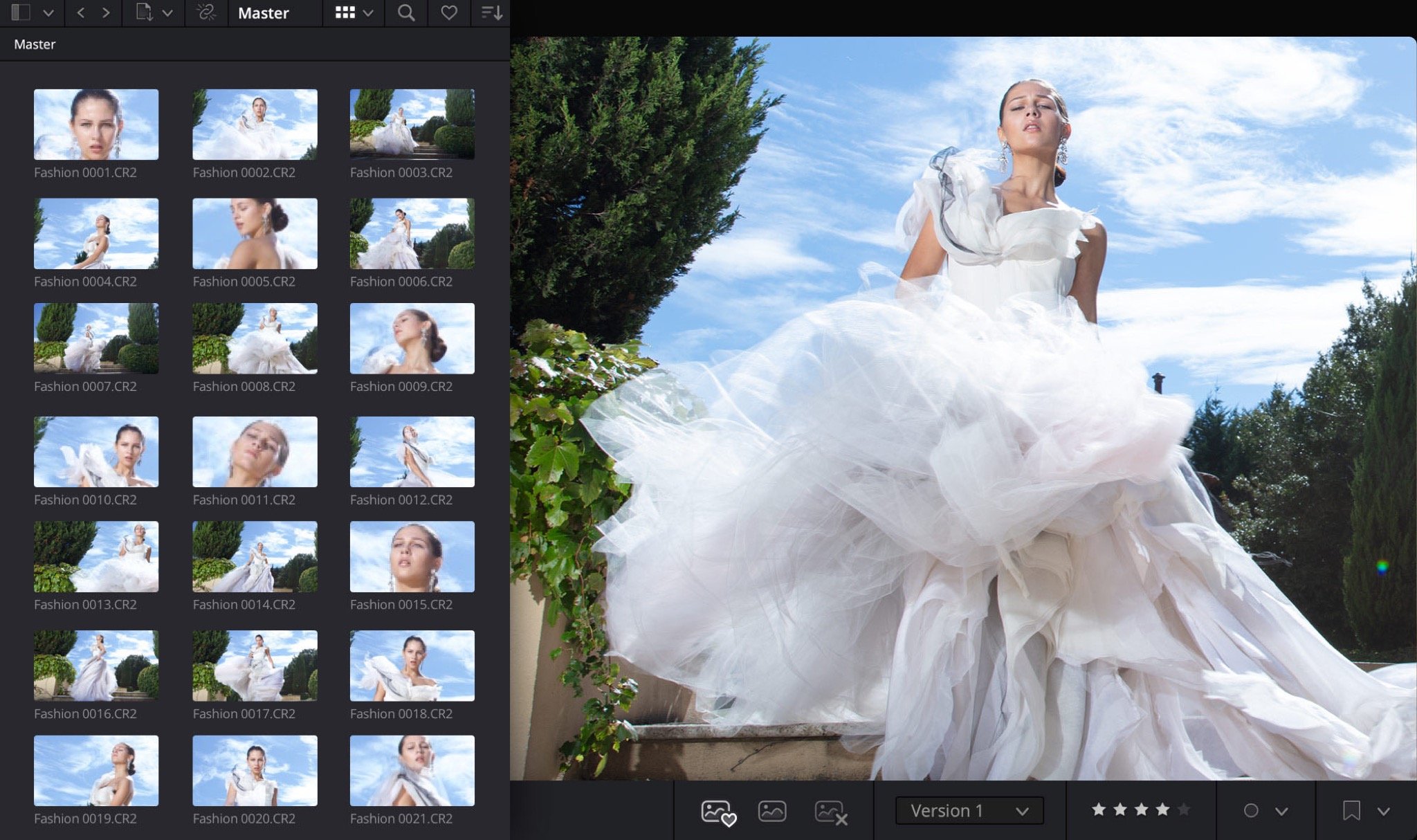
The well regarded video editor DaVinci Resolve just introduced a Photos module inside the app, making some people wonder whether the free software could replace traditional photography tools like Lightroom. We also talk about a book of passport photos, photos that change history and film simulations.
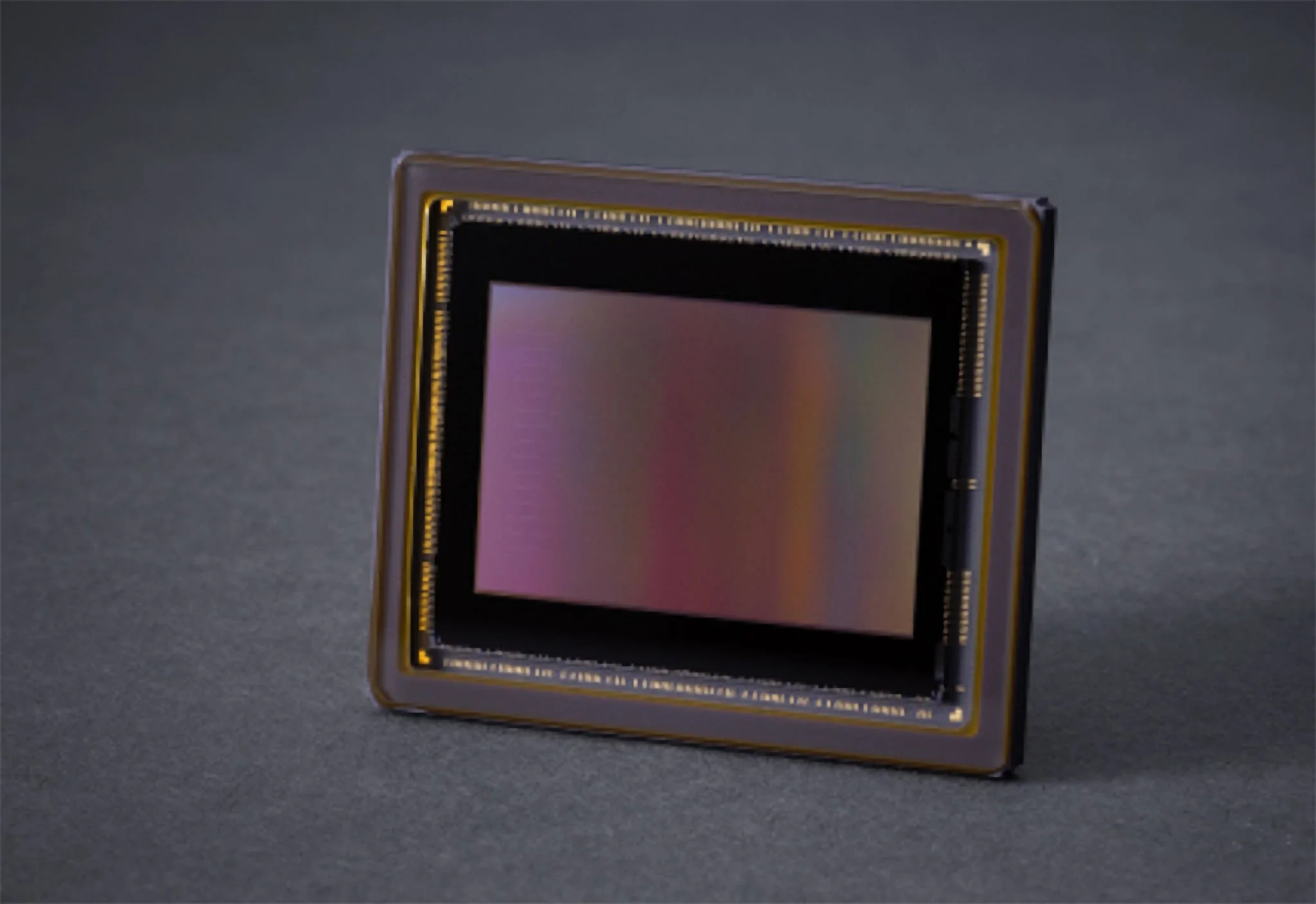
We remain fascinated by monochrome cameras, and this week we discovered just how tough it is to source the sensors used by the Ricoh GR IV Monochrome. We also talk about DNG, Adobe’s universal raw format, becoming an official image standard (and why the big camera companies probably won’t adopt it). And if you hadn’t heard, Apple turned 50!
So it’s come to this. Generative AI has quickly gotten so good that it’s hard to distinguish real photos from generated ones. So where do we go from here? We talk about C2PA authentication, trusting your sources, and more.
Apple has announced the MacBook Neo, a $600 laptop running on the same A18 Pro processor that was used in the iPhone 16 Pro. Oh, and it has 8GB of RAM and starts at 256GB of storage. Believe it or not, lots of people on the Internet take issue with those specs, so we look at it from the point of view of whether it could be a good machine for photographers who blew all their money on a $10,000 Leica f/1.2 lens.
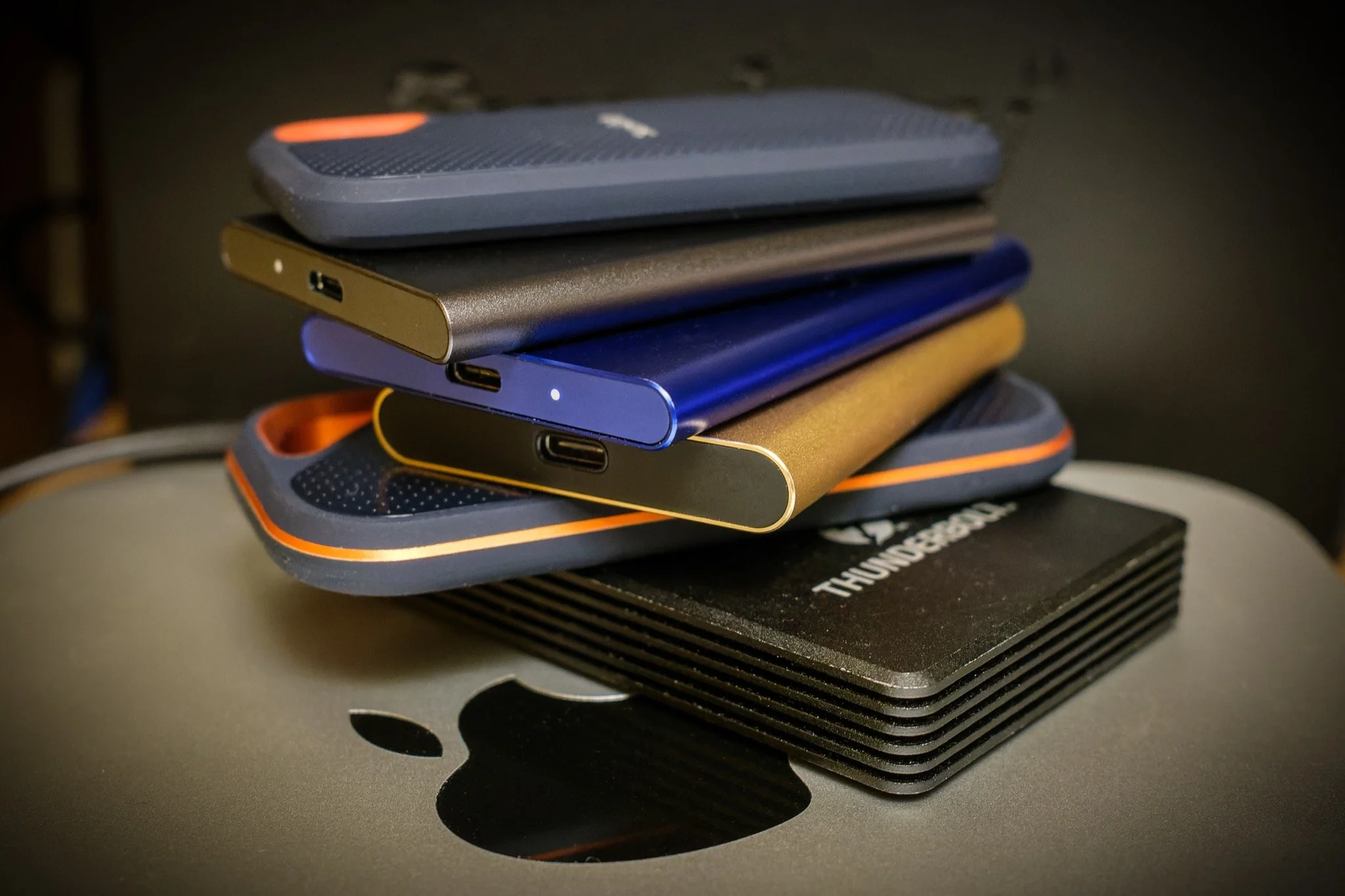
The prices of digital storage are set to climb this year because AI is eating up all the available inventory. And modern photography is entirely dependent on storage, whether it's the SD cards that store the captured images, the internal solid-state memory that stores data on your computer, or the external SSDs and traditional hard drives that keep your archive of photos.
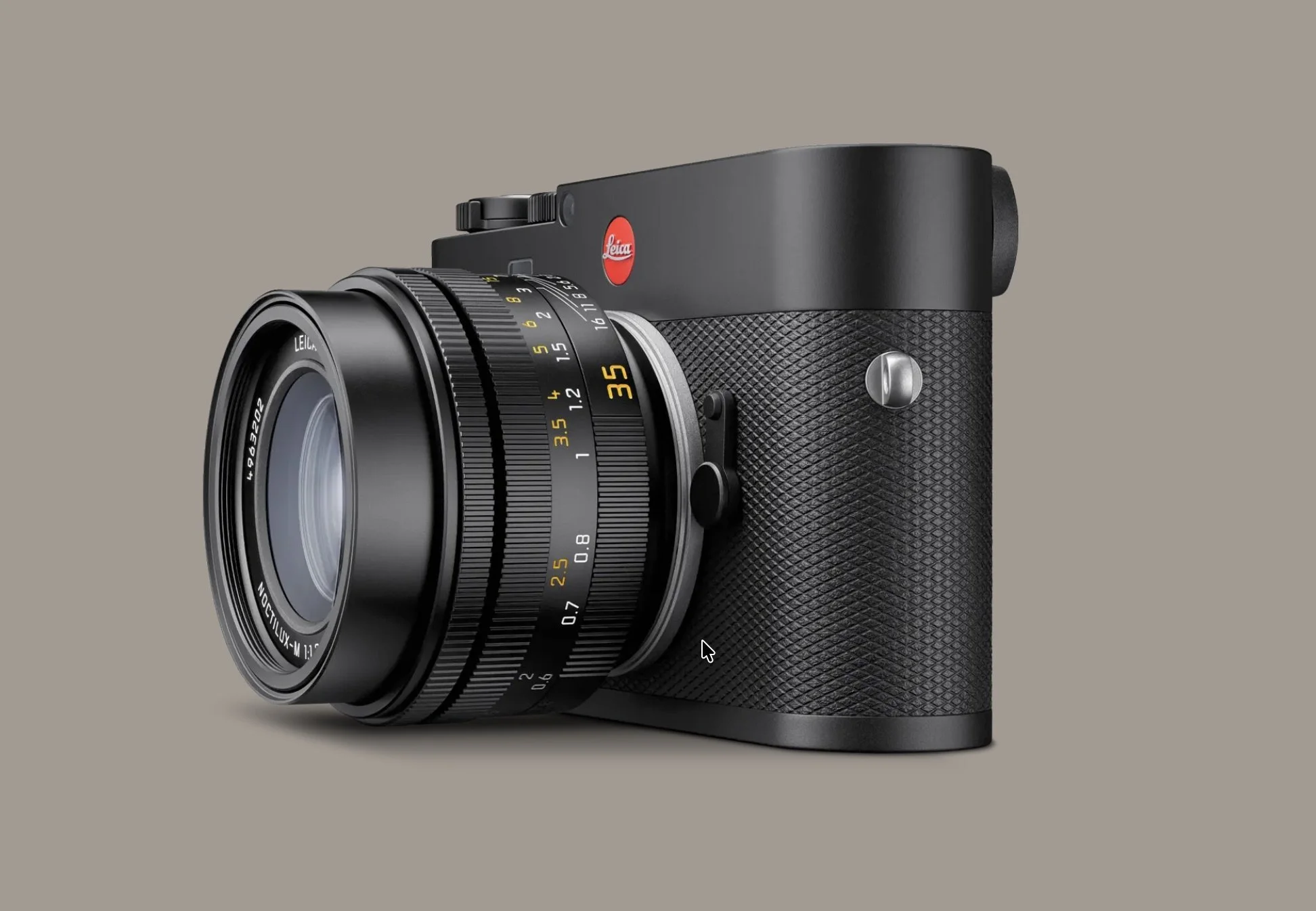
The best-selling compact camera in Japan is from... Kodak? We’ve talked about compact cameras in the past, but it remains a fascinating part of the photo marketplace as people look for something different than mirrorless and DSLR cameras. By the way, do you have $10,000 to spare on a new 35mm lens? Leica’s Noctilux-M 35mm f/1.2 ASPH was just announced at that eye-watering price. Lastly, Jeff covers some new Lightroom features in the latest versions.
Now we know what Apple is doing with Pixelmator Pro after its acquisition of Pixelmator: it’s part of the new Apple Creator Studio bundle. Also, we celebrate the latest black and white camera to hit the market, the Ricoh GR IV Monochrome, and ponder large-format photographer Sally Mann’s discovery of digital photography.
Is your phone not accurately capturing the world around you? An article in the Guardian questions whether image processing in smartphones is making photos that aren’t genuine. Also, Leica released a firmware update that radically changes the entire interface, leading to a discussion of how important the UI in our cameras is when making photos.
Two Hundred episodes! To celebrate roughly seven and a half years of the PhotoActive podcast, Kirk and Jeff picked some favorite photos from the digital cameras they’ve owned.
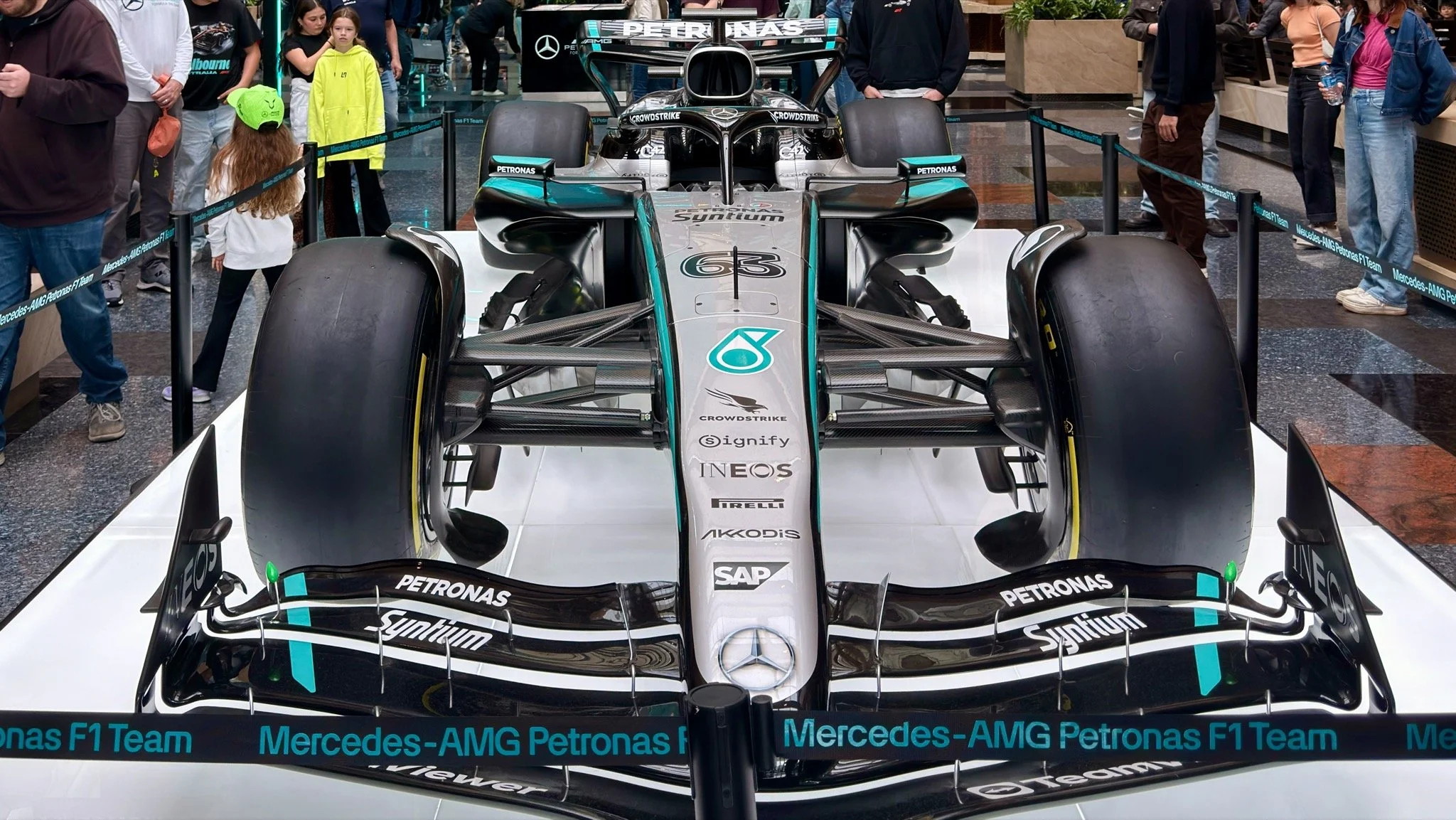
We get views into two very different types of photography in this episode. Jeff travels to Nevada for the Formula 1 Las Vegas Grand Prix where the cars’ speed is a challenge to photograph... but not as difficult as the rules set by the Formula 1 organization. Then we look at the fascinating dye-transfer process and how this dying art is being used to print William Eggleston’s prints.
We’ve got several things to discuss in this episode, from little-known settings in the iPhone Camera app, to shooting panoramas, to the Leica M EV1 and to Guillermo del Toro’s Frankenstein.
What started with a couple of new settings related to the iPhone Camera app quickly devolves into a discussion of Apple’s Liquid Glass effect in iOS 26, changes and consistency in the Camera app’s interface, and whether all of this is too confusing for most people taking photos with their iPhones.